Organic posts are free to publish and help build trust with people who already follow you, but a ranking system decides who sees them. Paid ads let you choose the audience for your message, within each platform’s rules. Law firms and campaigns need both: organic to keep people’s trust, paid to reach people who have never heard of you.
Key takeaways
- Posting is presence. Advertising is distribution. Strategy is knowing when to use both.
- Organic posts can reach people who do not follow you, but Meta’s ranking systems decide who sees them, not you.
- Paid ads let you set the audience, the dates and the budget, within platform rules and ad review.
- Florida law firms must file boosted or sponsored posts with The Florida Bar at least 20 days before they run, unless the content is limited to Rule 4-7.16 information.
- Campaigns that pay to promote a post on Facebook or Instagram need Meta authorization, a “Paid for by” disclaimer and the disclaimer their election law requires.
What is the difference between organic and paid social media?
Organic social media is what you publish on your own Page or profile without paying the platform: image posts, carousels, reels and stories. It costs time and creative work, not ad spend. Paid social media is content the platform delivers to an audience you define, for a budget: boosted posts and Ads Manager campaigns.
A boost is still an ad. Meta’s instructions for boosting a Facebook Page post call it “your ad” and ask you to set an audience, a duration, a daily budget and placements (Meta Business Help Center).
We put the difference into three lines:
- Posting is presence. It keeps you familiar to the people already paying attention.
- Advertising is distribution. It puts a chosen message in front of a chosen audience, including people who have never heard of you.
- Strategy is knowing when to use both.
Organic helps people remember you. Paid helps new people find you. One without the other is half a strategy.
| Organic social | Paid social | |
|---|---|---|
| What it is | Posts, carousels, reels and stories on your own Page | Boosted posts and Ads Manager campaigns |
| Who sees it | Decided by the platform’s ranking systems | An audience you set, within platform rules |
| Timing | Goes live when you post; ranking decides when it surfaces | You set the dates and the budget |
| Best job | Presence and trust with people already watching | Distribution to people who do not know you yet |
| Florida law firms | Follows Bar advertising rules; your own page is not filed | Follows the same rules and is filed unless limited to Rule 4-7.16 content |
| Florida campaigns | Posts on a free account are exempt from the state disclaimer when the source is patently clear | Treat a promoted advocacy post as a political ad: the Florida or federal disclaimer, plus Meta authorization and a “Paid for by” label |
Who decides who sees an organic post?
The platform does. Meta tells Instagram users, “The content you see on your Instagram Feed is selected, ranked and delivered to you by an artificial intelligence (AI) system” (Meta Transparency Center, updated June 29, 2026), and it describes the Facebook Feed in the same words.
That system does not stop at your followers. Meta’s recommendation system adds suggested content to the Instagram Feed “by predicting what you’re most likely to be interested in or engage with” (Meta Transparency Center, updated June 29, 2026). Instagram says Explore is built from accounts people “don’t yet follow,” and that most of what people see in Reels comes from accounts they do not follow (Instagram, May 31, 2023). Meta also “may recommend political content from accounts people don’t already follow,” and people can adjust how much of it they see (Meta Transparency Center, updated September 18, 2025).
So organic posts can find new people, but you cannot pick them. You cannot tell the ranking system to show a post to everyone in your service area or every voter in your district.
Picture a firm or campaign that posts every day while the phone stays quiet. The posts are doing a real job with the people already watching. That builds trust. It does not reliably put the message in front of the people who have never heard of you, because the system, not you, decides who else sees it.
What does paid social add?
Paying lets you set the terms of delivery. On Facebook and Instagram:
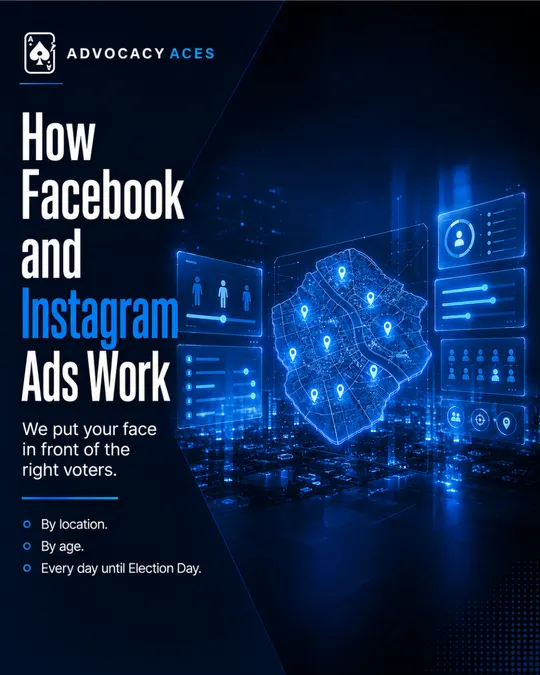
- Who sees it. Meta’s broad targeting “includes gender, age and location.” Custom Audiences “let you find your existing audiences among people who are on Facebook,” and lookalike audiences help ads “reach new people” who resemble an existing Custom Audience (Meta for Government, Politics and Nonprofits, January 6, 2022).
- When and how much. A boosted post takes a duration or end date and a daily budget (Meta Business Help Center), and a campaign can run on a daily budget or a lifetime budget for its full run (Meta for Business).
- What happened. Meta describes Ads Manager as a tool for “creating ads, managing when and where they’ll run, and tracking how well your campaigns are performing” (Meta for Business).
Paid has limits, and they matter most for law firms and campaigns:
- Some sensitive targeting is gone. Starting January 19, 2022, Meta began removing detailed targeting options that relate to sensitive topics such as health, religion and “political affiliation” (same Meta source). Do not plan on finding voters by party through Meta’s detailed targeting menu.
- Every ad is reviewed. Meta’s ad review “starts automatically before ads begin running, and is typically completed within 24 hours,” and ads can be rejected or restricted at any time (Meta Transparency Center).
- Money does not guarantee results. Paying buys delivery you can set and measure. The message and creative still have to earn attention.
Paid ads let you take control of who sees your message, within each platform’s rules. They do not let you own your reach outright.
If you rely on organic alone, what are you waiting on?
If you rely on organic alone, you are waiting on four things: reach, timing, engagement and the algorithm.
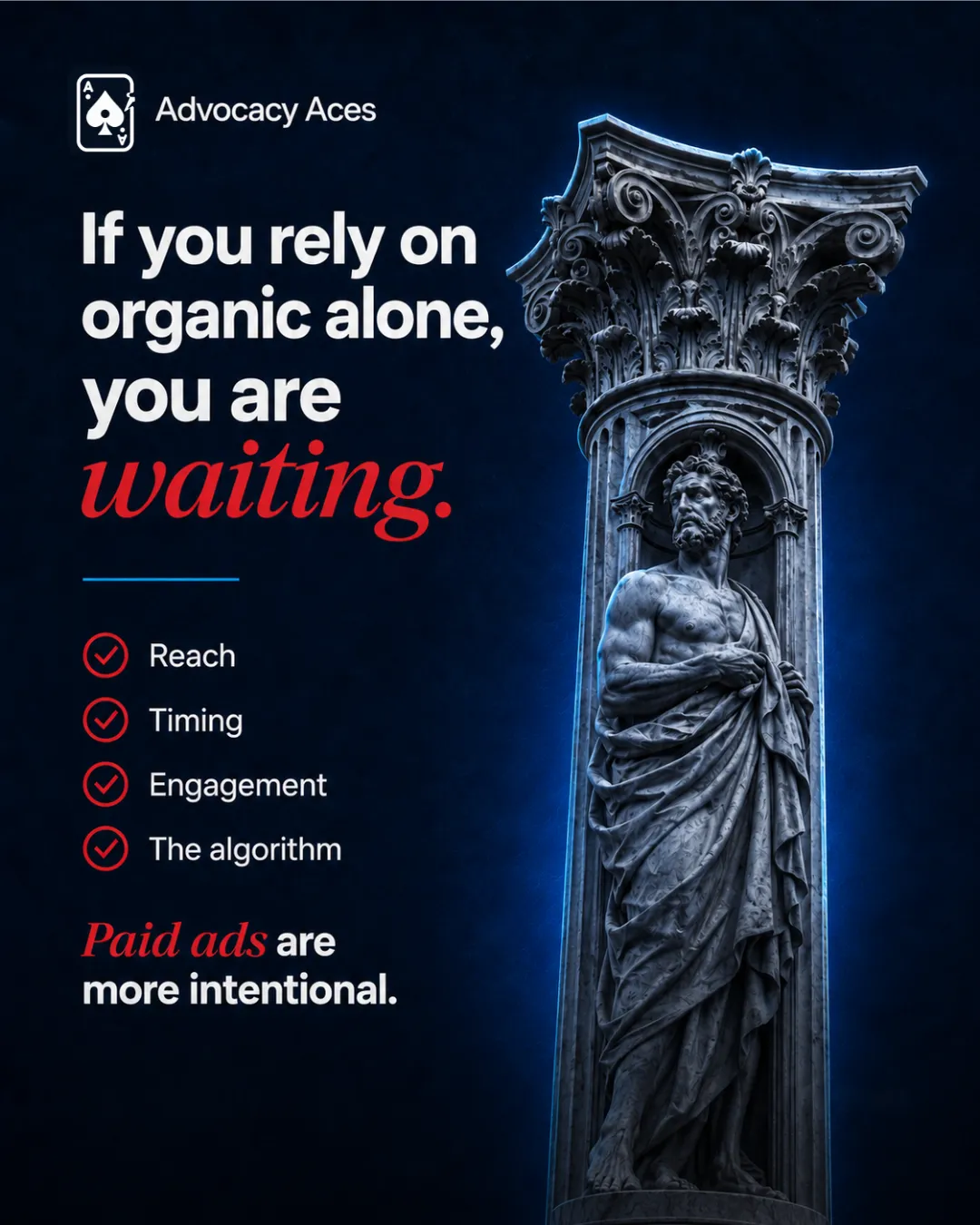
- Reach. Whether a post travels past your most engaged followers depends on the ranking and recommendation systems.
- Timing. You choose when a post goes live. The feed decides when, and whether, each person sees it. That hurts when a message has a date attached, like a seminar or an early voting reminder.
- Engagement. Meta says its feed predictions draw on what and whom people have “followed, liked or engaged with recently” (Meta Transparency Center). Part of your reach depends on how other people behave, and you cannot schedule that.
- The algorithm. There is no single one. Instagram says it “doesn’t have a singular algorithm” and uses “a variety of algorithms, classifiers, and processes, each with its own purpose” (Instagram).
Paid ads are more intentional. You decide the audience, the dates and the budget, then read the results and adjust. When Election Day or an intake push has a fixed date, waiting is not a plan.
Organic vs paid for law firms: what the Florida Bar requires
For law firms. Paying for a post changes what The Florida Bar expects from it. Rule 4-7.11(a) applies the advertising rules to “social networking, and video sharing media” (Rules Regulating The Florida Bar, Chapter 4, June 30, 2026). Nationally, paying for social is far from universal. In a 2023 Thomson Reuters Institute report on firms with 29 or fewer lawyers, 93 percent were running marketing or advertising campaigns, but only 38 percent said they spend money on social media marketing (LawNext, November 30, 2023).
Organic posts on your own pages
Pages that promote a practice must follow the advertising rules, but the Bar’s Standing Committee on Advertising treats them like a firm website, so they “are not required to be filed” (Advertising Guidelines for Networking Sites, revised August 21, 2023). The current handbook confirms a firm does not file its own Facebook, YouTube or LinkedIn page (Handbook on Lawyer Advertising and Solicitation, effective December 10, 2025). Exempt from filing is not exempt from the rules (The Florida Bar), and the guidelines list what still applies on those pages, including the bans on misleading information and on predictions or guaranties of results.
Boosted and sponsored posts
The handbook says “Paid, boosted, and/or sponsored spot advertising on social media” must be filed for review unless the content is limited to Rule 4-7.16 information. That safe harbor, often called a tombstone ad, covers basics such as the firm name, office locations, phone numbers, website, fields of law and foreign language ability. Once a boosted post goes past that list, for example with a client story or an explainer video, plan to file it.
The Bar draws a second line. When a paid post appears only to people who self-identified with characteristics showing a specific legal need, rather than reading as mass marketing, the Bar’s position is that it must also meet the targeted solicitation rules in Rule 4-7.18(b) and be filed (Advertising Guidelines for Networking Sites; Handbook).
Lead time and languages
- File early. Ads must be filed at least 20 days before first use, and the Bar says it will mail a response within 15 days of receiving a complete filing (The Florida Bar). Pick the posts you will put money behind at least three weeks ahead.
- Translate the filing. An ad that is not in English needs an accurate English translation in the filing (same source).
- Repeat required statements in every language. Required content includes the name of at least one lawyer or the firm and the city, town or county of a bona fide office. In a multilingual ad, those statements “must appear in each language used in the advertisement” (Rule 4-7.12(a) and (c)).
For post-by-post content rules, see our law firm social media strategy guide. This is marketing guidance, not legal advice. Confirm the current rules with The Florida Bar, or your own bar, before you post or boost.
Organic vs paid for political campaigns: what changes when you pay
For campaigns. The line between an unpaid post and a paid one is also a legal line.
Florida law
A Florida political advertisement is “a paid expression” in a communications medium, which the statute defines to include “the Internet,” that expressly advocates the election or defeat of a candidate (Fla. Stat. 106.011). A candidate’s paid ad must prominently state “Political advertisement paid for and approved by” followed by the candidate’s name, party affiliation and office sought, or use the shorter “Paid by” version. An ad for a candidate running for nonpartisan office may not state the candidate’s party affiliation (Fla. Stat. 106.143).
Unpaid posts are different. Section 106.143 does not apply to a message “on an unpaid profile or account which is available to the public without charge or on a social networking Internet website, as long as the source of the message or advertisement is patently clear from the content or format” (106.143(10)(e)). A post on the campaign’s own free account, where the source is obvious, is exempt. Once you pay to promote a post that expressly advocates for your candidate, it is a paid expression, so treat it as a political advertisement that needs the disclaimer. Leave room for that line in every graphic and reel, since any post can become an ad.
Meta rules
Advertisers running ads about elections, politics or social issues must “complete an authorization process” and include a “paid for by” disclaimer (Meta Newsroom, updated June 1, 2026). The policy covers any ad “made by, on behalf of or about a candidate for public office,” and ads missing a required disclaimer are disapproved (Meta Transparency Center). Boosting is not a shortcut: the boost flow has a Special Ad Category for ads about “social issues, elections or politics” (Meta Business Help Center).
These ads are also public, “stored in our publicly available Ad Library for seven years.” Meta blocks new political ads “during the final week of the US election campaign,” though ads with at least one impression before that week can keep running (Meta Newsroom). Launch before the final week.
Federal races
For federal candidates, the FEC treats communications “placed or promoted for a fee” on an advertising platform as public communications, and, unless they qualify for an adapted disclaimer, text or graphic internet ads need a written disclaimer “that can be viewed without taking any action” (Federal Election Commission).
This is marketing guidance, not legal advice. Confirm the exact wording for your race with your campaign counsel or filing officer. For the full setup, read our guide to Facebook and Instagram ads for political campaigns.
How do law firms and campaigns combine organic and paid?
Use organic to earn trust and learn what lands. Use paid to deliver the proven message to the people you need.
Step 1: Plan an organic calendar for trust
Map the dates that matter and fill the days around them. Our social media management: content calendars, posts and scheduling is built for this step.
Step 2: Let organic show you what earns attention
Note which posts people save, share, comment on and watch to the end. They tell you what to pay for.
Step 3: Put money behind proven posts and clear offers
Promote what already works, plus the offers that matter most: a consultation, a seminar, an early voting date. Build in the lead time for Bar filings or Meta authorization first. When you are ready for paid social ads on Facebook and Instagram, read why a funnel beats a one-off boost.
Step 4: Follow up with people who already engaged
Meta’s Engagement Custom Audiences let organizations “reach people who have watched their videos” (Meta for Government, Politics and Nonprofits). Law firms should check each follow-up audience against the Bar’s guidance on targeted social media posts before it runs.
Step 5: Give paid creative a second life as organic content
A strong ad can run again as a post, and one interview can become a week of clips. We produce reels and video ads in English, Spanish and Haitian Creole that work in both places.
| Step | Law firm example | Campaign example |
|---|---|---|
| Plan | Weekly explainer on a common client question | Weekly record post and event recap |
| Learn | The explainer people save and share | The reel people share |
| Pay | File the ad version, then run it to your service area | Authorize, add disclaimers, run it to the district by location |
| Follow up | Consultation reminder to video viewers, after a rules check | Early voting reminder to video viewers |
| Reuse | Cut the ad into a short clip | Clip a debate or an interview |
Decide who answers, too. Paid ads send new people to your pages, and some of them will comment or send messages. Our social media management covers post creation and scheduling; replies to comments and messages stay with your team.
The right people, the right message, the right time
Visibility cannot be random. For law firms, campaigns and advocacy organizations, the right people need the right message at the right time. Organic keeps you present with people who know you. Paid decides who else hears from you, and when.
How Advocacy Aces helps
Advocacy Aces is a digital advertising and creative agency for law firms and political campaigns, working in English, Spanish and Haitian Creole. One team handles targeting, copy, creative, media buying and reporting, and we walk you through the reports rather than just sending a dashboard link. You keep ownership of your ad accounts, ad spend goes directly to the platforms, and we take one client per race.
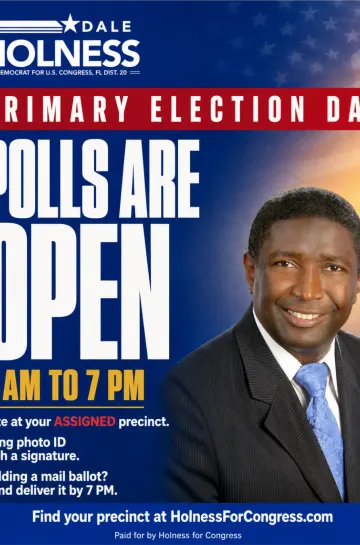
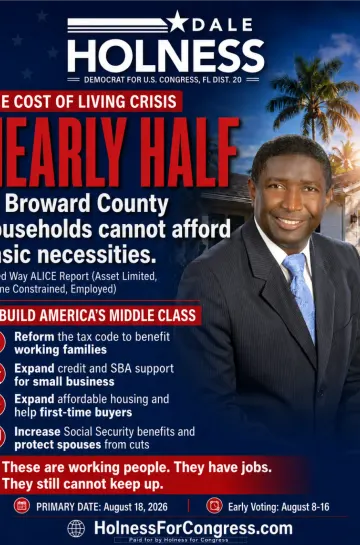
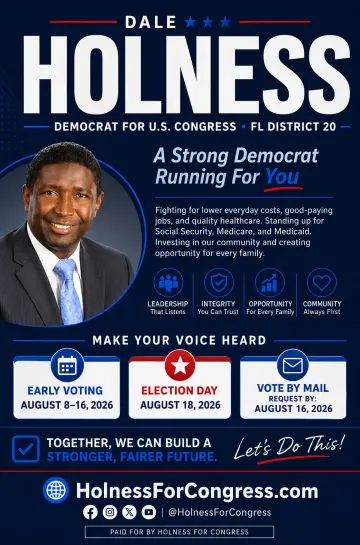
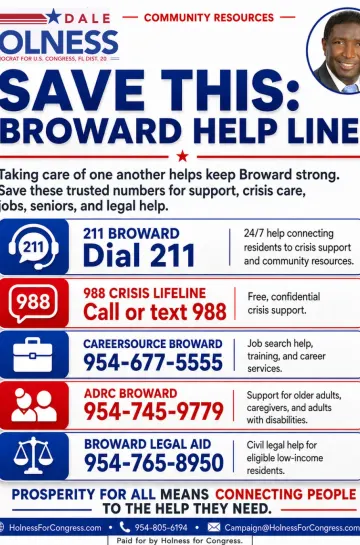
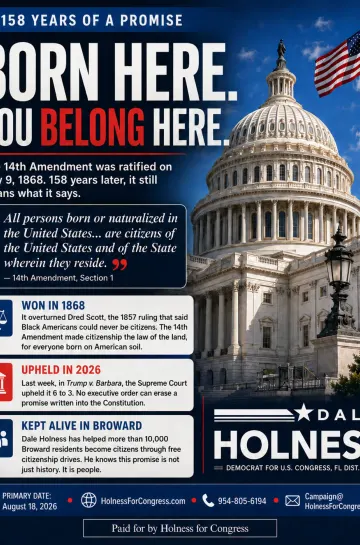
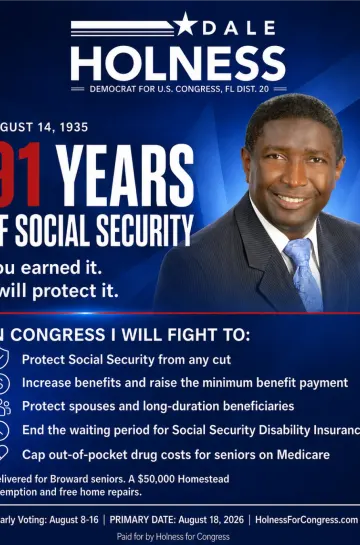
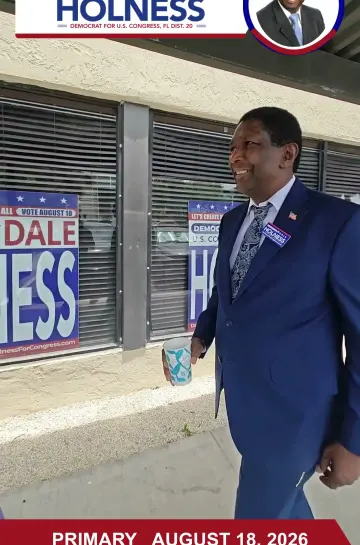
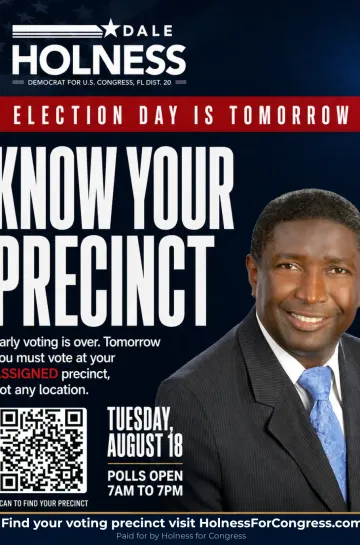
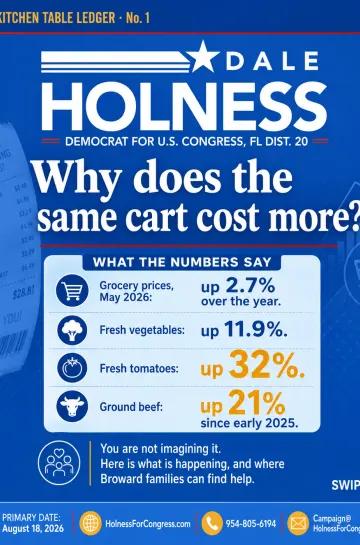
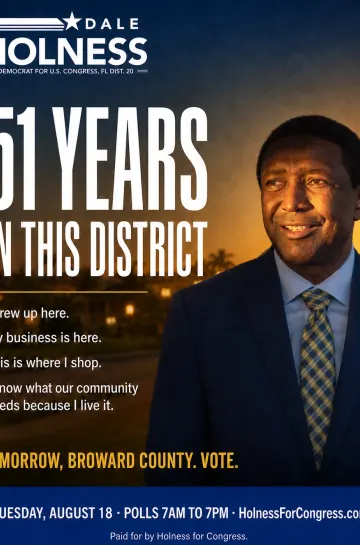
For Claxton Law Group, we produced immigration video ads in English and Haitian Creole. For Dale Holness’s U.S. House primary campaign, we ran Meta ads in English, Spanish and Haitian Creole; that case study covers what the ads did and what we learned.
Posting every day and ready for the paid side, or running ads without a calendar behind them? Schedule Consultation.
This article is marketing guidance, not legal advice. Election, platform and bar rules change, so confirm the details with your campaign counsel, filing officer or bar before you rely on them.