Meta will not allow any new ads about social issues, elections or politics in the US from 12:01 AM PT on Tuesday, October 27, 2026 through 11:59 PM PT on Tuesday, November 3, 2026. An ad can keep running only if it was created with a valid disclaimer and delivered at least one impression before the window opens. During the window you can change its bid, budget, end date and on or off status, and little else.
Last reviewed October 23, 2026, against the Meta pages listed under Sources. Meta can update its notices, so check them again before you act.
Key takeaways
- The block runs from 12:01 AM PT on October 27 to 11:59 PM PT on November 3, 2026. By our conversion, that is 3:01 AM Eastern on October 27 to 2:59 AM Eastern on November 4.
- To run during the window, an ad needs a valid disclaimer and one delivered impression before it opens. Approval alone is not enough.
- Meta says recording an impression can take 6 to 24 hours. An ad that first delivers on October 26 may not show as eligible right away.
- You can edit bid, budget, scheduled end date and pause status. Creative, targeting, placement, optimization, objective and the disclaimer stay locked.
- New ads can be published again at 12:00 AM PT on November 4, 2026.
When does Meta block new political ads in 2026?
From 12:01 AM PT on Tuesday, October 27 through 11:59 PM PT on Tuesday, November 3, 2026. Meta describes it as a restriction period for ads about social issues, elections or politics ahead of the 2026 US midterm elections, consistent with its approach in 2020, 2022 and 2024. Its stated reason is that in the final days of an election there may not be enough time to contest new claims made in ads.
The dates below come from Meta’s own notices. The Eastern times are our conversion from Pacific time, so confirm them against your own account before you plan around them.
| When | What happens | Source |
|---|---|---|
| Tuesday, October 13, 2026 | Meta’s suggested date to finish ad authorization and set up an approved disclaimer | Meta for Developers |
| Tuesday, October 20, 2026 | Meta’s suggested date to submit political ads so they are live and have delivered an impression before the window | Meta, Government and Nonprofits |
| 12:01 AM PT, Tuesday, October 27 (3:01 AM Eastern) | New ads about social issues, elections or politics are blocked | Both Meta notices |
| 11:59 PM PT, Tuesday, November 3 (2:59 AM Eastern, November 4) | Restriction period ends | Both Meta notices |
| 12:00 AM PT, Wednesday, November 4 | New ads can be published and edits resume | Meta, Government and Nonprofits |
Both of Meta’s suggested planning dates have already passed. That does not close the door. Meta’s rule is that an ad needs a valid disclaimer and one delivered impression before 12:01 AM PT on October 27. But it does mean Meta’s suggested cushion is gone, and the next section explains why that matters.
Which ads does the restriction period cover?
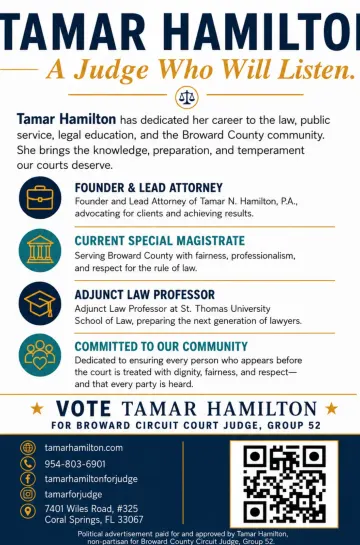
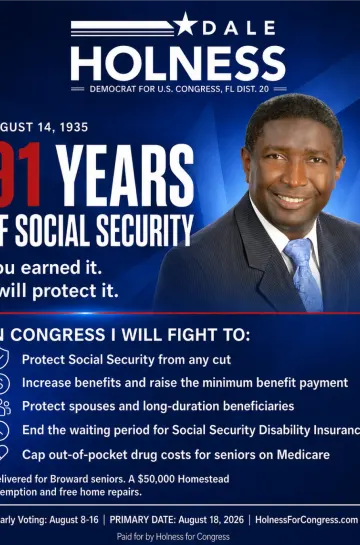
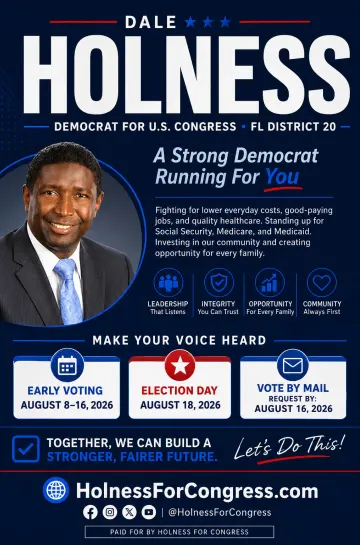
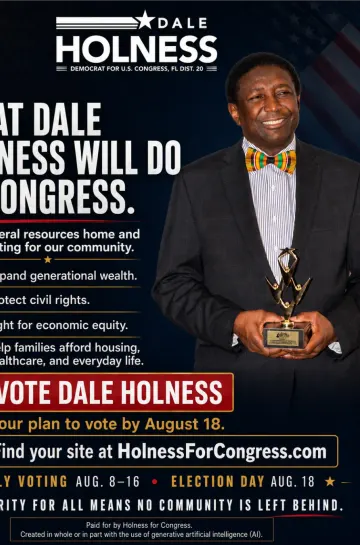
Ads about social issues, elections or politics in the US. Meta uses the same category for its authorization and “Paid for by” disclaimer rules, as described in its policy on ads about social issues, elections or politics. That covers candidate and ballot measure ads, and it can also reach ads on social issues.
Meta’s list of US social issues is long: civil and social rights, crime, economy, education, environmental politics, guns, health, immigration, political values and governance, and security and foreign policy. Not every ad that mentions one of those topics requires authorization, and Meta reviews each ad on its content.
For law firms, that means an ad about immigration may or may not fall inside the category. Our guide to boosted posts, funnels and immigration firm ads walks through Meta’s test. If a firm already runs ads with a “Paid for by” disclaimer, treat them as covered.
Meta’s notices are about ads. A boosted post is an ad, so it is covered. The notices do not describe organic posts. Our guide to organic and paid social media covers that split.
What does “delivered at least one impression” mean in practice?
It means the ad has actually been shown to someone before the window opens, and Meta’s system has recorded that. Approval is a separate step.
Meta’s notice for advertisers warns that its systems may take 6 to 24 hours to record an impression. Meta’s own example: if an ad delivers its first impression on Monday, October 26, the system may not show it as eligible right away on Tuesday, October 27, and the advertiser cannot run the ad until the status updates. Meta encourages advertisers to launch well ahead of the window to avoid this.
A second trap: an edit that sends an ad back into ad review, such as a change to audience targeting, resets the clock. Meta says that if the edited ad does not serve at least one impression with the edit applied before the window starts, it cannot run during the restriction period. Avoid those edits late in the week.
What can you change on a live ad during the restriction period?
You can change money and schedule. You cannot change what voters see or who sees it.
| Allowed on eligible ads | Not allowed |
|---|---|
| Bid amount | Creative, including ad copy, images, video, website URL and call to action |
| Budget amount | Targeting |
| Scheduled end date | Placement, including placement controls |
| Pause and unpause | Optimization or campaign objective |
| Removing, switching or adding a disclaimer |
This table follows Meta’s advertiser notice. Edits in the right-hand column risk the ad’s ability to run for the rest of the restriction period, according to Meta.
What should a campaign do before 12:01 AM PT on October 27?
Work through this list while you can still act:
- List every Meta ad you want live through Election Day. Include voting reminders, the closing message and a version in each language you run.
- Check delivery for each one. Open Ads Manager and confirm each ad has delivered an impression. If one has not, find out why before the window opens.
- Confirm each ad carries your approved “Paid for by” disclaimer. Meta says an ad must be created with a valid disclaimer to run during the window.
- Finish every creative, copy and targeting change now. After the window opens, those edits are off limits for eligible ads.
- Set budgets and end dates to cover the full window. Budget and end date stay editable, so you can raise or extend them later if the ad is eligible, but start with settings that do not run out early.
- Name one person who owns the account over the weekend. The cutoff is early Tuesday morning Eastern time, and a problem found after the cutoff may not be fixable.
Our Meta ads guide for campaigns covers authorization and disclaimers in more detail, and our Florida campaign advertising timeline explains how the block fits the voting calendar. For the days that follow, see our final-week checklist for Florida campaigns.
What if an ad is not eligible?
Then it cannot run on Meta until the window ends, and the campaign has to decide where else to reach voters. Meta’s notice covers Meta’s ads. It does not speak for other channels.
- Email and text. These are not Meta ads. Texts sent through a platform to supporters have their own Florida disclosure rules, which we cover in our final-week checklist. We build email and text programs inside the tools a campaign already uses.
- Google and YouTube. Google’s 2026 midterm announcement describes election ads verification, “paid for by” disclosures and disclosure of synthetic content. It does not list a final-week block. Google sets its own rules, so confirm what applies in your account.
- Streaming TV. If a district-level audience matters, ask about streaming TV well before the final week.
Do Florida’s disclaimer rules still apply?
Yes. Meta’s “Paid for by” disclaimer is a platform requirement. Florida’s wording rules are a separate legal requirement for political advertisements. Do not assume that one satisfies the other. Our guide to Florida political ad disclaimers lays out the statute’s wording by situation.
This is marketing guidance, not legal advice. Confirm your disclaimers with your campaign counsel or filing officer.
When can campaigns run new Meta ads again?
At 12:00 AM PT on Wednesday, November 4, 2026, according to Meta. At that time, Meta says, advertisers can also start editing their ads again. Meta says ads about social issues, elections or politics are stored in its public Ad Library for seven years, so anything you publish stays visible.
How can Advocacy Aces help?
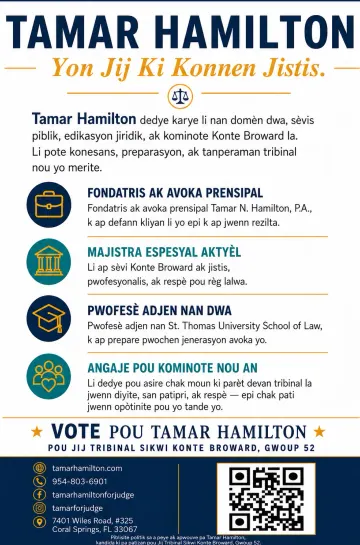
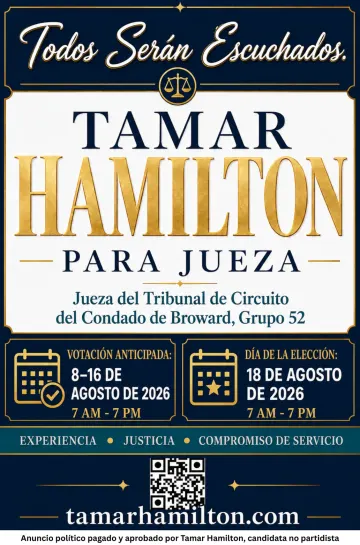
Advocacy Aces is a digital advertising and creative agency for law firms and political campaigns, working in English, Spanish and Haitian Creole. If your campaign or firm runs ads in a Meta account you own, we can review it against this list, help plan what runs on channels other than Meta, and walk you through the reporting. You keep ownership of your ad accounts, and ad spend goes directly to the platforms.
If you have ads you need checked before the cutoff, send us your race and your account setup and we will tell you what we see. Schedule Consultation
This article is marketing guidance, not legal advice. Election, platform and bar rules change, so confirm the details with your campaign counsel, filing officer or bar before you rely on them.