Start before voting starts, not before Election Day. In Florida, requested mail ballots go to domestic voters 40 to 33 days before each primary and general election, and mandatory early voting begins 10 days out. Work backward from those dates, leave time for platform verification, and have every Meta ad running before Meta’s final-week block on new political ads.
Key takeaways
- Your real deadline is the day ballots reach voters, not Election Day.
- Summer is primary season. Florida’s primary falls 11 weeks before the general, and some nonpartisan races end in the primary.
- Platform approval takes time. Google’s verification steps can take up to 5 business days each, and Meta requires authorization first.
- Meta blocks new political ads in the final week of the US election campaign, so every Meta ad you need at the finish should be running before that week starts.
- Starting early buys preparation, not a banked lead. Early persuasion fades, so start early and keep going.
Why does voting start before Election Day in Florida?
Because Florida law opens two voting windows ahead of it. Election Day is the last day to vote, not the first: requested mail ballots reach voters weeks earlier.
The first window is vote-by-mail. Under section 101.62 of the Florida Statutes, supervisors of elections must mail requested ballots to domestic voters between the 40th and 33rd days before a primary or general election. Overseas and military voters who requested ballots are sent them no later than 45 days before. Voters can request a mailed ballot until 5 p.m. local time on the 12th day before the election.
The second window is early voting. Section 101.657 requires it from the 10th day to the 3rd day before any election with state or federal races. Supervisors may add the 15th through 11th days and the 2nd day, so ask yours which optional days they use.
Here is how those windows fall for the November 3, 2026 general election, per the Florida Division of Elections:
| Milestone | 2026 general election |
|---|---|
| Mail ballots sent to domestic voters | September 24 to October 1, 2026 |
| Voter registration deadline | October 5, 2026 |
| Deadline to request a mailed ballot | October 22, 2026 |
| Early voting (mandatory period) | October 24 to 31, 2026 |
| Election Day | November 3, 2026 |
Read that table as an ad plan and the problem is plain. If your first ad goes live in late October, a voter who requested a mail ballot may have had it at home for weeks. Your message has to reach people before they mark their ballot.
One detail helps with reminders. Section 101.62 has supervisors update vote-by-mail request records daily, from 60 days before the primary until 15 days after the general election, including the date each ballot was requested and the date it came back. The records are confidential, but the statute makes them available to a candidate who has filed qualification papers and is opposed, and to registered political committees, for political purposes only. Ask your Supervisor of Elections how to get them.
How far apart are Florida’s primary and general elections?
Eleven weeks. The Division of Elections says the primary is held 11 weeks before the general election, which falls on the first Tuesday after the first Monday in November of even-numbered years. The same voting windows repeat before the primary.
The August 18, 2026 primary is now a past example, but it shows how early the primary calendar starts:
| Milestone | 2026 primary election |
|---|---|
| Mail ballots sent to domestic voters | July 9 to 16, 2026 |
| Deadline to register or change party affiliation | July 20, 2026 |
| Deadline to request a mailed ballot | August 6, 2026 |
| Early voting (mandatory period) | August 8 to 15, 2026 |
| Election Day | August 18, 2026 |
For a Florida primary candidate, summer is not the off-season. With primary ballots going out in July, it is the race.

If an opponent is building recognition and reaching voters while you wait for the fall, that is ground you may have to make up.
The turn after the primary is tight too. In 2026, general election mail ballots go to domestic voters starting September 24, 37 days after the primary. A partisan nominee gets a little over five weeks to reset before ballots go out again. Build both calendars at the start.
When do candidates qualify, and what can you do before that?
Qualifying is when you officially get on the ballot, and Florida counts it back from the primary. The windows come from section 99.061 and, for judicial and school board races, section 105.031. The 2026 dates come from the Division’s qualifying page.
| Office | Qualifying window (noon to noon) | 2026 dates |
|---|---|---|
| U.S. Senate, state attorney and public defender (20th Circuit only in 2026), judicial offices | 120th to 116th day before the primary | April 20 to 24 |
| U.S. House (2026 was an apportionment year), governor, Cabinet, state legislature, county and special district offices | 71st to 67th day before the primary | June 8 to 12 |
| School board | 71st to 67th day before the primary | June 8 to 12 (same count) |
| City offices | Set locally; in Broward, qualify with the City Clerk | Ask your City Clerk |
Federal candidates normally qualify 120 to 116 days out, but section 99.061 sets the 71st to 67th day window for federal office in any year the Legislature apportions the state. The Division noted that 2026 was an apportionment year affecting U.S. Representatives, who qualified in June, while U.S. Senate candidates qualified in April. County offices, county court judges and school board candidates file with the county Supervisor of Elections rather than the state.
Party rules reach back even further. The Division’s qualifying page says a candidate seeking a party’s nomination must have been a member of that party for at least 365 consecutive days before the qualifying period begins, and a candidate with no party affiliation must not have been a member of any party for that long. If a party change is part of your plan, it has to happen at least 365 days before qualifying opens.
What must happen before you raise or spend money?
Section 106.021 says a person may not accept any contribution or make any expenditure toward their nomination or election until they have appointed a campaign treasurer and designated a primary campaign depository. Candidates must do both before qualifying. That chapter of Florida law covers state, county, municipal, school and other district offices, not federal ones, so candidates for Congress follow Federal Election Commission rules instead. This is marketing guidance, not legal advice. Confirm your filing steps with your filing officer or counsel.
What should you build before qualifying?
Qualifying week is late to start thinking about ads. We like to see these in place well before it:
- Research the district. Pull past results from your Supervisor of Elections and learn who turns out for your election.
- Write the message. One clear reason to choose you, in the languages your voters speak. Our guide to digital marketing for political campaigns goes deeper.
- Set up accounts the campaign owns. The Facebook Page, Instagram account and ad accounts should belong to the campaign, not a volunteer or vendor.
- Start platform approvals and plan disclaimers. Section 106.143 requires an ad paid for by a state or local candidate to prominently state “Political advertisement paid for and approved by” or “Paid by” with the candidate’s name, party affiliation and office sought. An ad for a nonpartisan office may not state the candidate’s party. Federal candidates follow the FEC’s disclaimer rules. Confirm wording with your filing officer or counsel.
- Build creative and a budget by phase. Gather photos and video early, and split the budget across awareness, the mail ballot window and final reminders.
Can your race be decided in the primary?
Yes, in races for circuit judge, county court judge and school board. Under section 105.051, a candidate who wins a majority of the primary vote does not appear on a later ballot unless a write-in candidate has qualified. If nobody wins a majority, the top two go on the general election ballot.
That changes the timeline. The primary may be the whole election, so its mail ballot and early voting windows can decide the race. Plan to peak for the primary, with a second plan ready if the race goes to November.
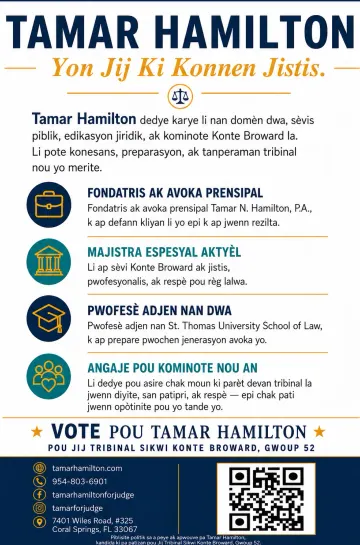
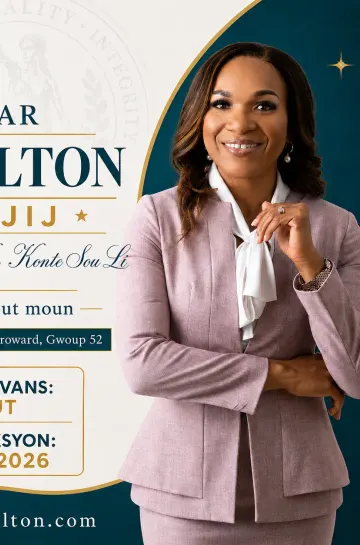
Tamar Hamilton’s race shows that second path. A candidate for Broward County Circuit Court Judge, she won the most votes in her three-way August 2026 primary and advanced to the November runoff. Our case study shows the work behind a Broward County judicial campaign in four languages, and our guide explains how voters decide in down-ballot races.
Which platform deadlines belong on your calendar?
Three: Meta’s authorization, Google’s verification and Meta’s final-week block. None comes from Florida law, and each can stop an ad plan.
Meta authorization and disclaimers. Meta’s policy on ads about social issues, elections or politics requires advertisers to complete its authorization process and include a verified “Paid for by” disclaimer. Ads about elections or politics without one are disapproved. The policy page gives no turnaround time, so finish authorization well before launch week.
Google verification. Google’s election ads verification page says the application may require two steps, each taking up to 5 business days. Google requires verification of the end advertiser, not the agency or intermediary acting for it, so the verification must be in the campaign’s name. Verification must be renewed periodically, and incomplete billing information gets an application rejected.
Meta’s final-week block. In its 2026 midterms announcement, Meta says that, as in previous election cycles, it will block new political, electoral and social issue ads during the final week of the US election campaign. Ads that recorded at least one impression before the restriction may keep running. Meta’s reason: in the final days, there may not be enough time to contest new claims made in ads. The announcement gives no dates for the restriction and does not say whether it covers primaries or local elections held on other dates, so check Meta’s announcements each cycle.
In practice, any Meta ad you want running at the end of a November campaign, including Election Day reminders, must have recorded an impression before the block begins. For a primary or a city election on another date, the safe plan is to have every Meta ad running before the final week anyway. Email and texts are not Meta ads, so plan vote-by-mail and early voting reminder texts alongside the ads. For the full Meta setup, read our guide to Facebook and Instagram ads for political campaigns.
What does a backward timeline for your race look like?
Nine phases, counted back from Election Day and listed in the order you run them. Rows with a statute or policy in the Basis column are cited above. Rows marked “Planning” are our recommendations, not legal requirements, and some phases overlap.
| Phase | When | Basis | What to do |
|---|---|---|---|
| 1. Foundation | Months before qualifying | Planning | Research, message, owned accounts, creative, budget |
| 2. Treasurer and depository | Before any contribution or expenditure | Fla. Stat. 106.021 (state and local races) | Appoint and file before raising or spending |
| 3. Platform approvals | Before your first ad | Meta and Google policy | Authorization, verification, disclaimers |
| 4. Qualifying | 120th to 116th or 71st to 67th day before the primary | Fla. Stat. 99.061, 105.031 | Qualify; keep ads running |
| 5. Awareness weeks | Launch until mail ballots go out | Planning | Introduce the candidate, repeat the message, test creative and languages |
| 6. Mail ballots go out | 40th to 33rd day; requests close on the 12th day | Fla. Stat. 101.62 | Hold the message steady, remind supporters to return ballots |
| 7. Early voting | 10th to 3rd day, plus optional days | Fla. Stat. 101.657 | Share dates, sites and hours |
| 8. Final week | Final week of the US election campaign, as Meta describes it | Meta 2026 midterms announcement | No new Meta political ads; ads with an earlier impression may keep running |
| 9. Election Day | General: first Tuesday after the first Monday in November. Primary: 11 weeks earlier | Division of Elections | Reminders across ads, email and text |
How do you build your own calendar?
- Find your Election Day. Use the Division of Elections dates, or ask your City Clerk for a city race.
- Mark the voting windows. For a primary or general election, count back 40 to 33 days for mail ballots, 12 days for the request deadline and 10 to 3 days for early voting.
- Block out the final week. Plan for no new Meta political ads in it.
- Count back platform time, including a possible resubmission.
- Place your launch early enough that voters have seen your name more than once before a ballot reaches them. That is the idea behind campaign ads planned around the voting calendar.
If your team runs its own ads, media planning for campaign teams is part of our Enterprise Ad Consulting.
What if your city votes on a different date?
Then your calendar belongs to your city. Broward County has 31 cities, and the Broward County Supervisor of Elections notes that each city’s charter sets the term of office and how often elections are held. Its 2026 to 2027 schedule shows the spread:
- November 3, 2026: many cities, including Coral Springs, Hollywood, Pompano Beach, Sunrise, Tamarac and Weston.
- March 9, 2027: cities including Deerfield Beach, Miramar and Pembroke Park.
Municipal candidates qualify with the City Clerk, and the Supervisor of Elections tells them to check with the clerk for qualifying dates. So the answer to “when can you start campaigning for city council or commission” starts with a call to the clerk’s office.
In Broward, a November 3, 2026 city election shares the general election’s October 5 registration deadline and October 22 mail ballot request deadline. A March election is different. Section 101.657 requires early voting only for elections with state or federal races, though cities may choose to offer it, and for its March 2026 city elections Broward listed voting by mail or in person on Election Day. For elections other than primaries and generals, section 101.62 has supervisors mail a requested ballot within 2 business days after receiving the request, but no later than the 10th day before the election. Ask your Supervisor of Elections when mail ballots will go out, and count back from that date.
What does starting early actually buy you?
Preparation, time and presence in every voting window. Not a lead you can bank.
Drawing on 49 field experiments, researchers Joshua Kalla and David Broockman (2018) found one result that speaks directly to timing: when campaigns contact voters long before Election Day and measure right away, some persuasion appears, but it decays. Their main conclusion is blunter: the best estimate of the effect of campaign contact and advertising on candidate choice in general elections is zero.
So the case for starting early is practical:
- Approval time. Authorization and verification problems get fixed before the pressure is on.
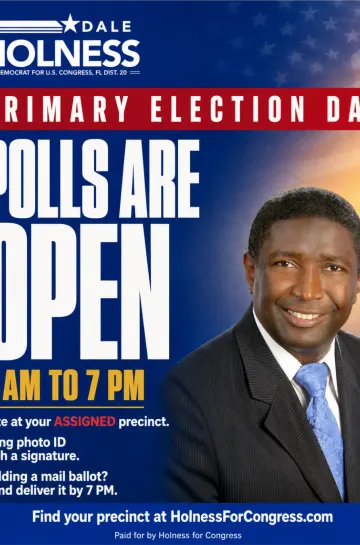
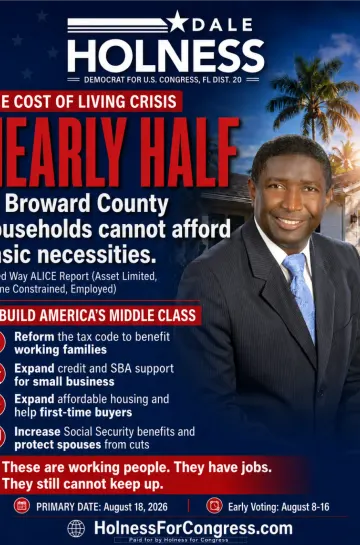
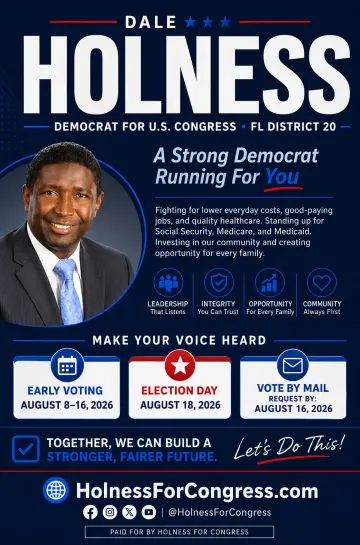
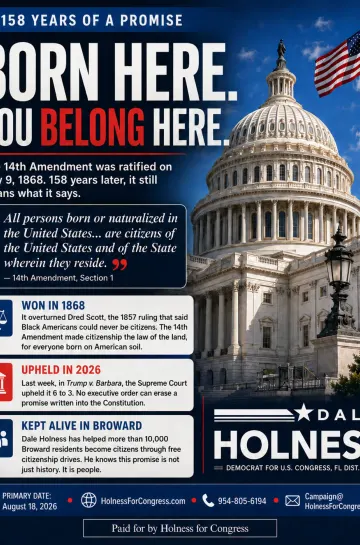
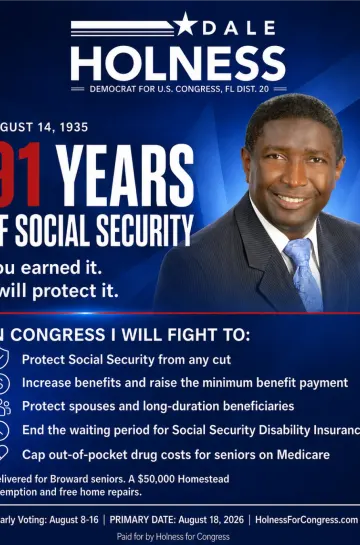
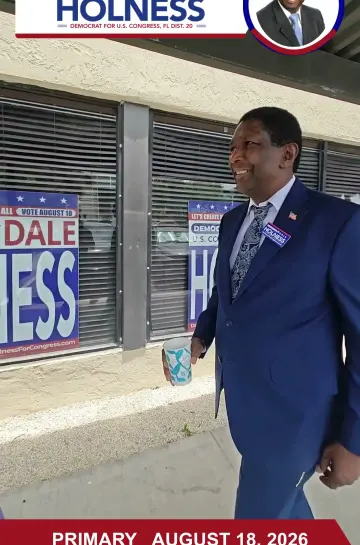
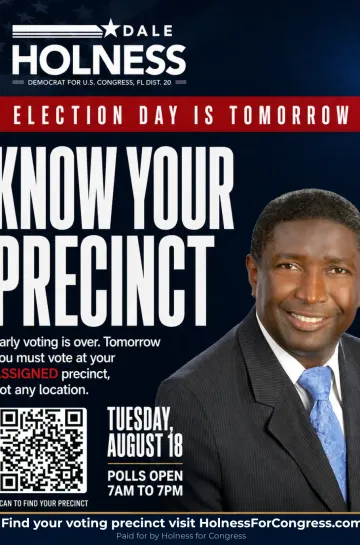
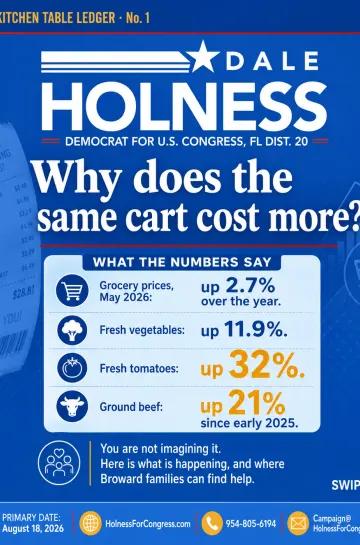
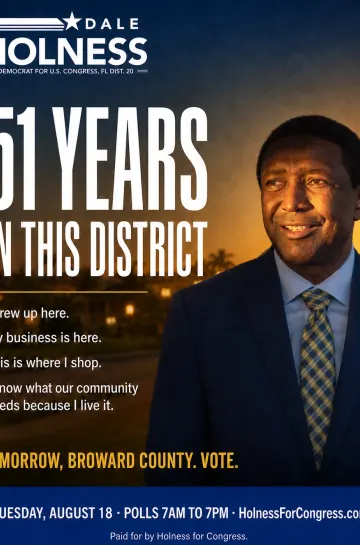
- Learning time. Early weeks of ads show which messages and languages get a response while there is still time to adjust. Languages can perform very differently. In our Meta ads for the Dale Holness congressional primary, which ran in English, Spanish and Haitian Creole, cost per link click varied widely by language. He finished second, and the case study covers what we learned.
- Continuity. Because persuasion fades, start early and keep going, building name recognition week after week until Election Day. Our guide to name recognition in politics covers how.
Here is the difference an early start makes. A campaign that started early works from a clear plan instead of scrambling to react. Its ads are already running when ballots go out, and the candidate spends the closing weeks on voters rather than on catching up.
Starting late does not mean losing. In Florida, it mainly means less time before ballots arrive, so approvals, message and creative have to come together fast. If you have not started, start now.
How do you plan for the 2028 cycle?
Use the formula: general election on the first Tuesday after the first Monday in November of even-numbered years, primary 11 weeks earlier. By our count, that puts the 2028 general election on November 7 and the primary on August 22.
We computed the dates below by applying today’s statutory counts. They are not official. The same counts reproduce the Division’s 2026 mail ballot, request and early voting dates, but laws change, so confirm with the Division of Elections calendar once it lists 2028.
| Milestone (computed) | 2028 primary | 2028 general |
|---|---|---|
| Mail ballots to domestic voters | July 13 to 20 | September 28 to October 5 |
| Mailed ballot request deadline | August 10 | October 26 |
| Early voting, mandatory period | August 12 to 19 | October 28 to November 4 |
| Election Day | August 22 | November 7 |
Counted back from August 22, 2028, the 120th to 116th day qualifying window would run April 24 to 28, and the 71st to 67th day window June 12 to 16. Both are computed, and in any apportionment year the rule above can move federal qualifying to the later window.
How can Advocacy Aces help?
Advocacy Aces is a digital advertising and creative agency for law firms and political campaigns, working in English, Spanish and Haitian Creole. We build the plan backward from the voting calendar, then run it: Facebook, Instagram, Google Search, YouTube and X ads, plus emails and get-out-the-vote reminder texts in the tools you already use. Teams that run their own ads can bring us in for media planning, audits and training.
You keep ownership of your ad accounts, ad spend goes directly to the platforms, and we walk you through the reporting. We take one client per race. Our case studies, including Marlon Bolton’s three Tamarac City Commission campaigns with certified results, show the record as it is.
If your election date is on the calendar, plan your ads before the first ballot goes out. Tell us your race and your date, and we will map the weeks with you. Schedule Consultation
This article is marketing guidance, not legal advice. Election, platform and bar rules change, so confirm the details with your campaign counsel, filing officer or bar before you rely on them.