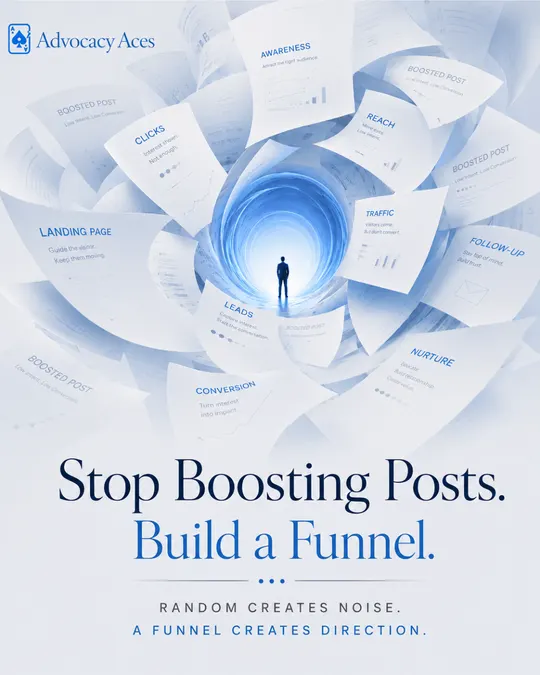
A law firm social media strategy starts with direction, not volume. Give every post one job: introduce the firm to someone new, build trust with people already watching, or move a ready prospect toward a consultation. Plan the path from post to intake, keep posts inside your bar’s advertising rules, and make sure someone answers when they call.

Key takeaways
- More posts do not fix a direction problem. Decide what a post is for before you make it.
- Every post gets one job: build awareness with someone new, deepen trust with someone already watching, or move someone closer to a consultation.
- In Florida, posts that promote a firm fall under the Bar’s advertising rules, and boosted posts generally must be filed at least 20 days before they run.
- A post that does its job is wasted if nobody answers the phone, the form or the message.
Why doesn’t posting more fix a law firm’s social media?
Because posting more only changes how often you show up. Posting is activity. Strategy is direction. They are not the same thing.
A firm can post every day and still go nowhere. Picture a firm that posts legal tips, office updates and holiday greetings with no path leading anywhere. Potential clients see content. They do not see a reason to call. Content without a clear path creates noise for your audience and exhaustion for your team. In our view, posting too little is rarely the real problem. Posts that do not connect to each other usually are.
This matters because small firms are already marketing, and they are watching costs. In the Thomson Reuters Institute’s 2023 survey of U.S. firms with 29 or fewer lawyers, 93 percent said they were running marketing or advertising campaigns, up from 84 percent in 2021, and 38 percent spent on social media marketing. In the same survey, 72 percent called cost control a significant or moderate challenge, up from 56 percent two years earlier.
When time and budget are tight, every post has to earn its place. More posts do not fix a direction problem. A plan does.

What is the difference between a content calendar and direction?
A content calendar tells you what to post. Direction tells you why each post exists and where it leads.
We build day-by-day calendars for clients, because planning ahead keeps a feed consistent. But a calendar filled without direction is a schedule for noise. Direction is what makes the calendar worth following.
| A content calendar answers | Direction answers |
|---|---|
| What goes out on Tuesday? | Why does this post exist? |
| Is it a reel, a carousel or an image post? | Is it for someone new or someone already watching? |
| Which platform, and what time? | What should that person do next? |
| What does the caption say? | Does it follow our bar’s advertising rules? |
Direction fits on one page:
- Who you serve: your practice areas, the counties you work in and the languages your clients speak.
- The three jobs: what awareness, trust and action posts look like for your practice.
- The path: post, landing page, consultation request, intake call.
- The guardrails: your bar’s advertising rules, turned into a short checklist your team uses.
- The handoff: who answers calls, forms and messages, and how quickly.
What are the three jobs a law firm post can do?
Every piece of content should do one of three things. Build awareness with someone new. Deepen trust with someone already watching. Move someone closer to a call, a vote or a case. For a law firm, that last job usually means a consultation.

Job 1: Build awareness with someone new
Awareness posts reach people who have never heard of your firm. Most are not ready to hire a lawyer today. They are trying to understand a problem. Meet them there.
- Plain-language explainers. What happens at a naturalization interview. What a family petition is. What to gather before meeting an estate planning lawyer. The comment to Florida Bar Rule 4-7.13 says general statements describing a law or an area of law are not promises of specific legal results.
- One-topic videos. One process per video keeps the message simple and builds a series. We made Claxton Law Group immigration video ads on topics such as asylum, family petitions and TPS, in English and Haitian Creole.
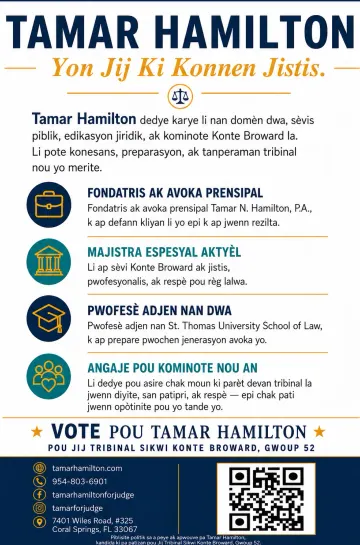
- Your clients’ languages. Under Rule 4-7.12(c), when an ad uses more than one language, the statements the rules require must appear in each language used.
Job 2: Deepen trust with someone already watching
Trust posts speak to people who already follow you or have visited your site. They are deciding whether your firm is the right one. Show them who they would be working with.
- Team introductions: the lawyer, the paralegal, the person who answers the phone, and the languages each one speaks.
- Answers to the questions you hear every week: what a first consultation looks like, what to bring, what happens after you sign.
- Client feedback that follows the rules. The Bar’s comment on testimonials says clients are well qualified to speak to matters such as courtesy, promptness, efficiency and professional demeanor.
- A consistent look and voice, so each post builds on the one before it.
Job 3: Move someone closer to a consultation
Action posts are for the person who is ready. They should make the next step obvious.
- One clear ask: request a consultation, call the office or send a message. Pick one per post.
- A matching destination: a post about asylum should lead to a page about asylum, in the same language as the post.
- Honest framing: invite people to talk through their situation. Do not promise an outcome.
If you cannot answer which one a post does, it does not have direction. Use this as the check before anything goes on the calendar.
| Job | Who it is for | Post ideas | What to watch |
|---|---|---|---|
| Awareness | People who do not know the firm yet | Process explainers, one-topic videos, posts in clients’ languages | Reach among new people, video views, shares |
| Trust | People already following or visiting | Team intros, weekly FAQ answers, compliant client feedback | Saves, profile visits, returning visitors |
| Action | People ready to talk to a lawyer | Consultation posts with one next step | Link clicks, calls, consultation requests |
What can a Florida law firm post? The Bar rules that shape content
Florida’s lawyer advertising rules reach social media directly. Rule 4-7.11 applies them to all forms of communication, including social networking and video sharing media. The Bar’s Guidelines for Networking Sites say pages used to promote a lawyer’s or firm’s practice are subject to the lawyer advertising rules. For a Florida firm, the rules belong inside the strategy from the first post, not in a review at the end.
Here is how the Rules Regulating The Florida Bar, as of June 30, 2026, shape everyday posts:
| Rule | What it means for a post |
|---|---|
| 4-7.12(a) | Name at least one lawyer or the firm, and the city, town or county of a bona fide office |
| 4-7.12(c) | Required statements appear in each language the ad uses |
| 4-7.13(b)(1) | Nothing a prospect could reasonably read as a prediction or guaranty of results |
| 4-7.13(b)(2) | Past results only if objectively verifiable, and the comment requires the affected client’s informed consent |
| 4-7.13(b)(3) | No unverifiable claims about skill, experience or reputation, and the comment rules out “the best” |
| 4-7.13(b)(9) | Testimonials face specific limits and need a disclaimer that the prospective client may not obtain the same or similar results |
| 4-7.14(a)(5) | “Specialist” or “expert” only with certification or objectively verifiable qualifications |
| 4-7.14(a)(7) | Any fee information must disclose all fees and expenses the client might owe |
Two wording habits help. First, describe the process, not the result. The Bar’s comment lists modifying words that generally help, including try, pursue, may, seek and could. Its own example: “I will get you acquitted of the pending charges” promises a result, while “I will pursue an acquittal of your pending charges” does not. Second, trade superlatives for facts you can verify. Rule 4-7.16 lists foreign language ability and the fields of law you practice among the content presumed not to violate the rules.
Do Florida law firms have to file organic and boosted posts?
- Your own page. The Bar’s Handbook on Lawyer Advertising and Solicitation says a lawyer does not have to file the lawyer’s or firm’s own social media page. The content rules still apply.
- Paid, boosted and sponsored posts. The handbook says these must be filed for review unless their content is limited to the information listed in Rule 4-7.16, such as the firm’s name, office locations, contact details and fields of practice. The Bar’s filing requirements page sets the deadline at least 20 days before first use and requires an accurate English translation for ads in another language.
- Narrow targeting. Under the networking guidelines, a post targeted so it appears only in the feeds of people who have self-identified with characteristics showing a specific need for legal services must comply with the Rule 4-7.18(b) requirements for targeted direct electronic communications and be filed. The handbook says targeted social media communications must begin with the word “Advertisement.”
- Other people’s comments. The guidelines say a lawyer must remove third-party posts on the lawyer’s page about the lawyer’s services that do not comply with the rules, so your team should watch the comments.
Build the Bar’s timeline into your calendar. If you plan to boost a post that has to be filed, finish and file it at least 20 days before it runs. For boosting versus full campaigns, see Boost Post vs Ads Manager: Why You Need a Funnel.
Immigration topics and Meta’s social issue rules
Paid posts on immigration topics can bring in Meta’s rules as well as the Bar’s. Meta lists immigration among its social issue categories in the United States, and social issue ads can require Meta’s authorization process and a verified “Paid for by” disclaimer. Meta also describes a narrower test for ads that promote a service, which we walk through in our guide to boosted posts, funnels and immigration firm ads.
This section is marketing guidance, not legal advice. Confirm the details with The Florida Bar’s rules, or your own bar’s rules if you practice outside Florida, and check Meta’s current ad policies before you launch.
What happens when a prospect is ready to act?
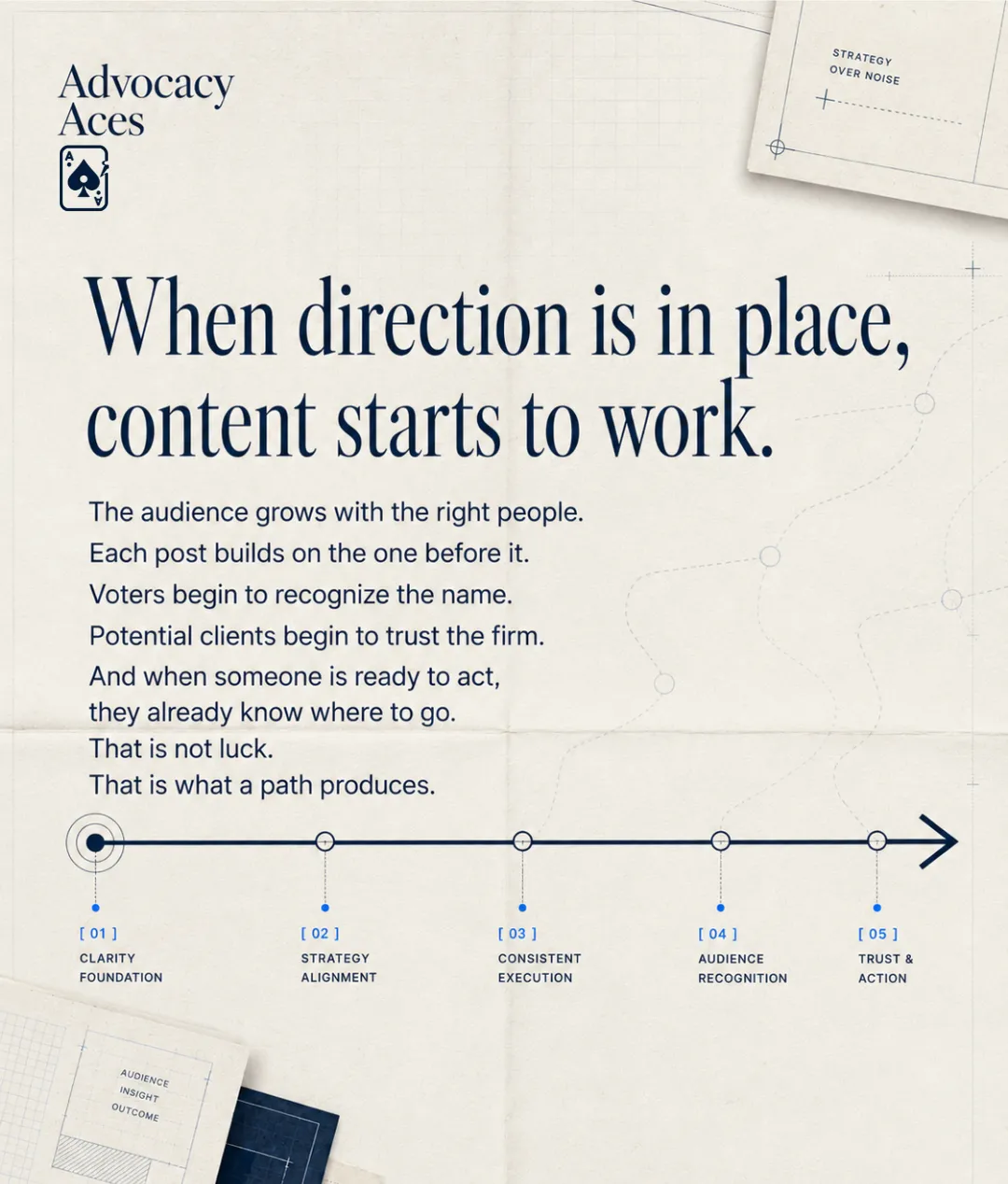
A prospect who is ready to act reaches out, and the last step decides whether they get through. When direction is in place, content starts to work. Potential clients begin to trust the firm, and by the time someone is ready, they already know where to go, because every post that got them this far had a job. Getting someone to that point is what a path is built to produce.
The last step is where many firms lose people. For the secret shopper study in Clio’s 2024 Legal Trends Report, a third-party research company contacted 500 U.S. law firms while posing as a potential client seeking legal help. Just 33 percent of firms responded to the emails, down from 40 percent in 2019. Only 40 percent answered the phone calls, down from 56 percent in 2019. And 48 percent neither answered nor called back, which left them essentially unreachable by phone.
A post can do its job and still lose the prospect at the front desk. Before you add more action posts, test the path.
How do you check your intake before you post more?
- Be your own secret shopper, as the 2Civility write-up of the study recommends. Call during and after business hours, and submit your own web form from a phone.
- Follow the link on every action post. It should land on a page that matches the post’s topic and language.
- Match languages end to end. A Spanish or Haitian Creole post needs someone who can respond in that language.
- Name an owner for comments, direct messages, missed calls and forms.
- Ask every new prospect how they found you and log the answer, so you can see which jobs your posts are doing.
If after-hours coverage is the gap, our AI intake and follow-up systems for law firms, built with our partner DeskWolf, can take the first pass: answering calls, texts and web forms when the office is closed, texting after a missed call within your rules, and gathering the details your intake form asks for. A person on your team decides what happens next. Any automated reply still speaks for your firm, so have its wording checked against your bar’s rules.
How does direction work for a political campaign’s social media?
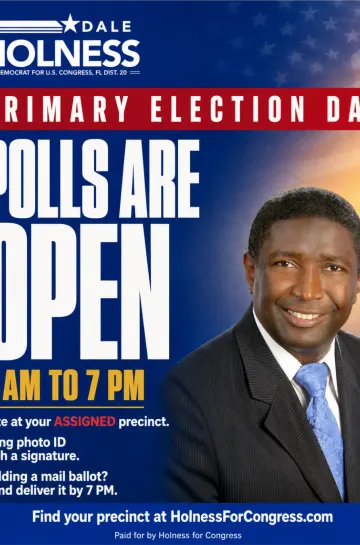
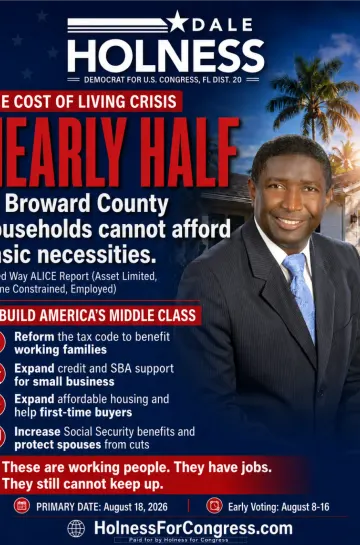
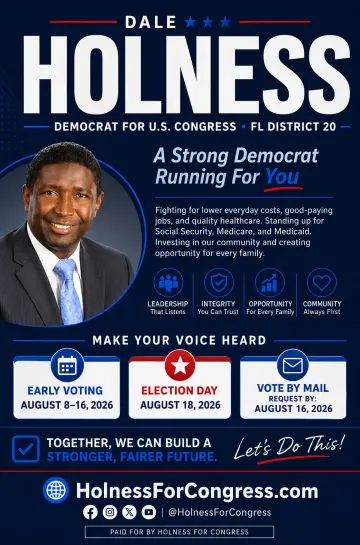
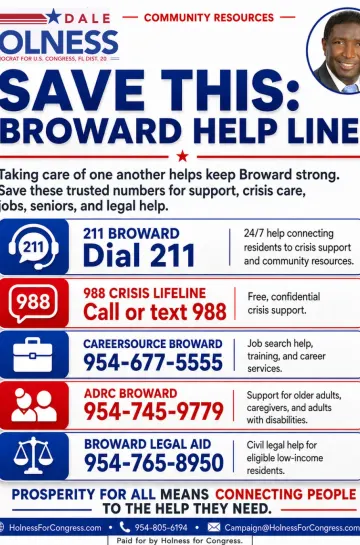
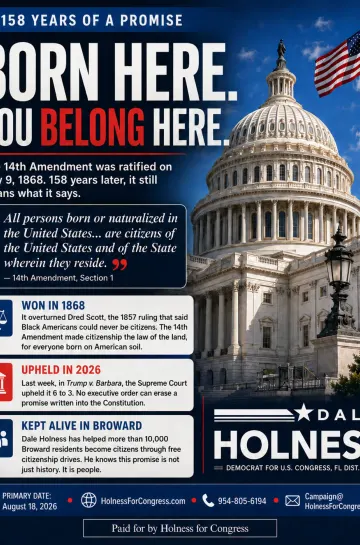
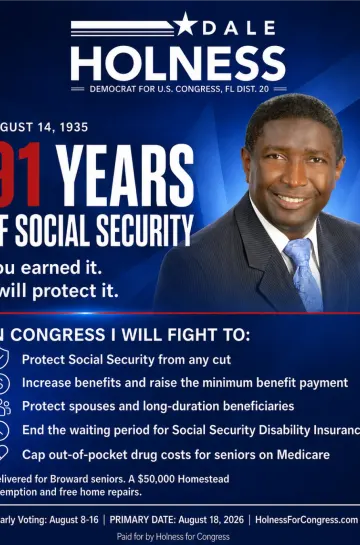
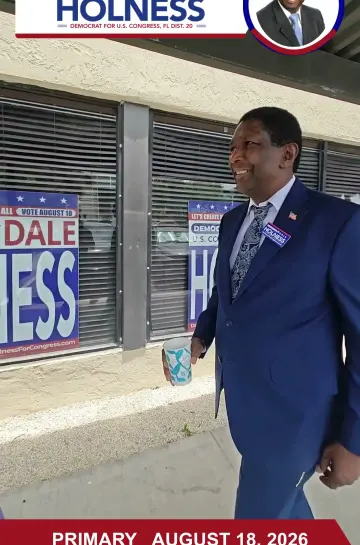
The same idea applies to campaigns, with a vote in place of a case. Picture a campaign that posts three times a week with no throughline connecting any of it. Voters see activity. They do not see a candidate.
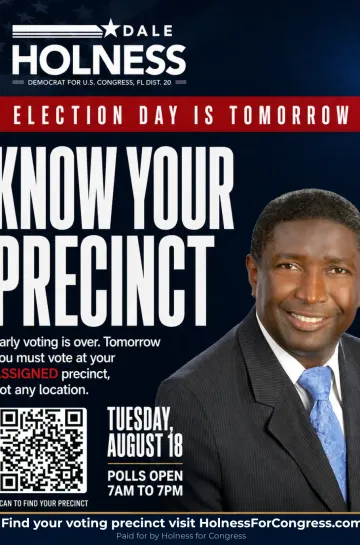
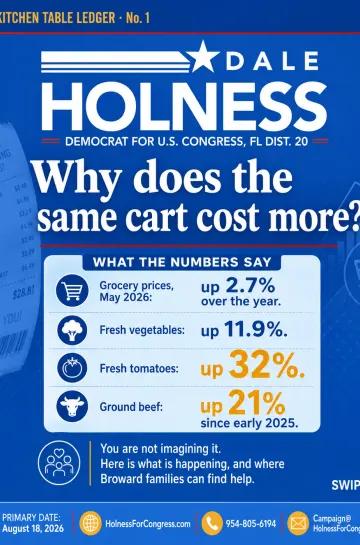
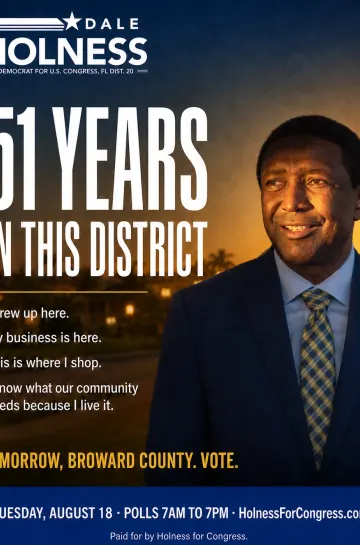
A social media marketing strategy for a political campaign uses the same three jobs. Awareness posts introduce the candidate and the office to voters who have never heard the name. Trust posts show the record and the people backing the campaign. Action posts move someone closer to a vote or a donation, with one next step per post.
The rules are different from the Bar’s:
- Florida. Under section 106.011, a political advertisement is a paid expression that expressly advocates the election or defeat of a candidate or the approval or rejection of an issue. Section 106.143 sets the disclaimer wording. Its exceptions include messages placed on an unpaid public profile or account, or on a social networking site, but only as long as the source is patently clear from the content or format. The same section bars party labels in ads for nonpartisan offices and requires a person’s or group’s specific written approval before you say they support a candidate.
- Meta. Ads made by, on behalf of or about a candidate require authorization and a “Paid for by” disclaimer.
- Federal races. The FEC says any public communication made by a political committee must display a disclaimer, and communications placed for a fee on another person’s website or advertising platform count. Internet ads with text or graphics need a written disclaimer that can be viewed without taking any action, unless an adapted disclaimer applies.
Confirm the details with your campaign counsel or filing officer. For the message behind the posts, read Political Campaign Messaging: How to Write Your Message. For when to post and when to pay, read Organic vs Paid Social Media for Law Firms and Campaigns.
How can Advocacy Aces help your firm give every post a job?
Advocacy Aces is a digital advertising and creative agency for law firms and political campaigns, working in English, Spanish and Haitian Creole. We work in one order: strategy first, content second.
- Law firm social media management: calendars, posts and scheduling. A day-by-day content calendar, image posts, carousels, reels and clips. We create and schedule the posts. Replies to comments and messages stay with your team.
- Law firm post and ad copy in the firm’s voice. Ad copy, video scripts and website copy, drafted with AI and edited by a writer.
- Practice-area video ads in English, Spanish and Haitian Creole. Scripts, editing, captions, vertical cuts and AI translation with lip-synced dubbing.
One team handles targeting, copy, creative, media buying and reporting. You keep ownership of your ad accounts, and we walk you through the reports.
For Claxton Law Group, an immigration law firm, we delivered video ads on immigration topics in English and Haitian Creole, advertising, audio repair and five custom songs. Founder Diane Claxton said:
“They’ve been a true partner in our firm’s rapid growth. From strategy to execution, they helped us scale to the point I had to pause ads a couple of times from too many clients.”
Diane Claxton, Founder, Claxton Law Group
If your posts are not building a path from post to consultation, start with direction. Schedule Consultation to talk through what each post should do and where it should lead.
This article is marketing guidance, not legal advice. Election, platform and bar rules change, so confirm the details with your campaign counsel, filing officer or bar before you rely on them.