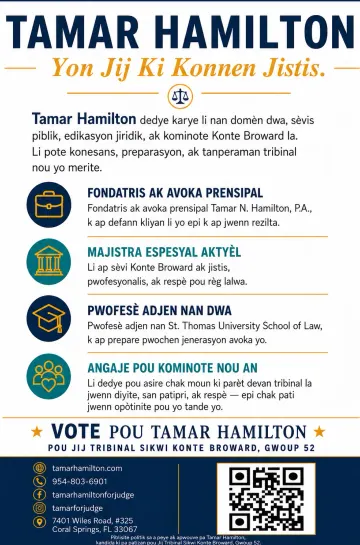
Campaigns reach Haitian Creole speakers in South Florida by writing ads and voter information natively in Haitian Creole, having a native speaker review them, handling Florida’s disclaimer rules correctly and pointing voters to official county materials. About 512,329 Floridians age 5 and older speak Haitian at home, according to USAFacts’ reading of 2024 Census data.
Last reviewed October 23, 2026. This is marketing guidance, not legal advice. Confirm disclaimer wording with your campaign counsel and the Division of Elections, and confirm current Creole materials with your county supervisor of elections.
Key takeaways
- The audience is large. Haitian is the second most common non-English language spoken in Florida homes, after Spanish, and Florida has 49.2 percent of the nation’s Haitian speakers.
- Many speakers have limited English. In 2024, 44.4 percent of Florida’s Haitian speakers spoke English less than very well, according to MPI data compiled by NIWAP.
- Write natively, not word for word. A native speaker should draft or adapt the message and a second person should review it.
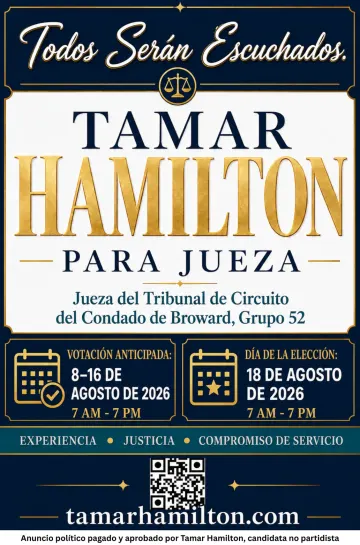
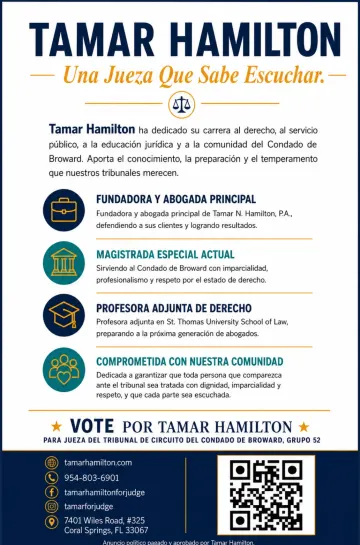
- Florida’s disclaimer rules still apply. Section 106.143(9) allows the required information in the language of the ad.
- Public sources do not tell us everything. Language data does not show which platforms voters use or how they will vote, so test and measure.
How many Haitian Creole speakers live in Florida?
USAFacts reports that 512,329 Florida residents age 5 and older spoke Haitian at home in 2024, and that Florida holds 49.2 percent of all Haitian speakers in the United States. The same page says Spanish is the most common non-English language in Florida homes, followed by Haitian and Portuguese. The data comes from the Census Bureau’s American Community Survey.
Compiled data from the Migration Policy Institute, published by NIWAP, shows that 44.4 percent of Florida residents who speak Haitian at home spoke English less than very well in 2024. For a campaign, that means a large share of this audience may be more comfortable receiving political information in Haitian Creole.
Two limits matter. The number counts people who speak the language at home, including children and people who cannot vote. It does not say how many are registered voters, and it does not break down by county or city. Pull the county-level language tables for your district before you set a budget.
What official Creole voting materials exist?
Some exist, and the right move is to link voters to them instead of rewriting official procedures. We found these:
- Broward County. The Supervisor of Elections hosts a Haitian Creole version of the Florida voter registration application (form DS-DE 39, revised April 24, 2024).
- Miami-Dade County. The Elections Department’s voter information page links a Kreyol version of its Voter Information Guide.
- City of Miami. The November 4, 2025 sample ballot appears in English, Spanish and Haitian Creole.
Materials differ by county and by election, and they change. For your race, check your own supervisor of elections’ site and confirm which items are current. We did not review Palm Beach County’s materials, because that county’s site did not load for us, so check it directly.
Should a campaign translate or write natively?
Write natively. A direct translation of an English ad often carries English word order, idioms and tone. Our guide to writing a campaign message explains why one clear message matters, and that holds in any language. Our guide to name recognition in politics explains why the name and look stay the same in every language.
A workable process:
- Write the English message first, with one reason to vote or support, one ask and one date.
- Give it to a native Haitian Creole writer to adapt, not just convert. Explain the audience and the goal.
- Have a second native speaker review the result, ideally someone from a different part of the community.
- Read the script aloud before it airs. A line that reads well on the page can sound unnatural when spoken.
- Keep a record of who wrote, who reviewed and which version ran.
Do not use machine translation alone. A mistake in an ad that names a candidate, an office or an election date can mislead a voter, and it can create a legal problem if the wording touches a required disclaimer.
How do Florida’s disclaimer rules apply in Haitian Creole?
Section 106.143(9) says a political advertisement published, displayed or produced in a language other than English may provide the required information in the language used in the ad. The statute sets out its disclaimer alternatives in English, and the Division of Elections handbook says they must be used verbatim. Ask counsel how your translated wording will be handled, and get the answer in writing.
Names, offices and party names must stay accurate in the translation. Our guide to Florida political ad disclaimers lists the wording for each situation, and our final-week checklist covers the text message rule in section 106.147.
Which channels should a campaign test?
We do not have a public source that ranks the platforms or media Haitian voters use, so we do not claim one. A reasonable plan is to test a small number of formats and watch what moves people to act. Our guide to digital marketing for political campaigns shows where language fits the wider plan.
- Video and audio. Short spoken messages in Creole suit a video or audio format, and they avoid the question of reading level.
- Social ads. On Meta, political ads need authorization and a “Paid for by” disclaimer in every language, under its policy. Meta also blocks new political ads from October 27 through November 3, 2026, so anything you want live on Election Day has to be delivering first. See our Meta restriction period guide.
- Text and email. Reminders about early voting, mail ballots and Election Day can go out in Creole. Texts need the section 106.147 disclosure. Our email and text service can set these up.
- Search. Check how your campaign’s search ads and website appear for searches in both English and Haitian Creole, and confirm in your Google Ads account that the language is available.
Record which format produced each response, so a later race starts from what you learned instead of a guess.
What should a Haitian Creole voter message include?
Facts a voter can use, in plain words:
- The date and the options. Early voting, mail ballots and Election Day each have their own dates. Use the Division of Elections’ dates, as in our final-week checklist.
- Who is asking. The disclaimer, in the language of the ad.
- One ask. Vote on a date, request a ballot or check your registration.
- A link to the official source for sites and hours, in Creole where the county provides it.
Avoid anything that promises how an election will end, or claims support from a person or group that has not approved it in writing. Our guide to base, persuadable and low-turnout voters explains how to match a message to a voter’s situation.
What do public sources not tell us?
A few things, and it is better to say so:
- Which social platforms, messaging apps or media Haitian voters in each county use most.
- How many Haitian speakers in a given district are registered voters.
- How turnout differs by language group.
Your voter file, your supervisor of elections and your own tests will answer these better than a general article. If an agency tells you it knows exactly how a community will respond, ask for the source.
How can Advocacy Aces help?
Advocacy Aces is a digital advertising and creative agency for campaigns and law firms in South Florida, working in English, Spanish and Haitian Creole. We write and produce campaign ads, video, audio and voter reminders, and we have run Meta ads in English, Spanish and Haitian Creole for a campaign. We do not promise election outcomes. Native-language copy goes through a native speaker, and your counsel approves disclaimer wording.
Broward publishes Creole voting materials, and the county hiring page is campaign marketing in Broward County. The wider offer is campaign marketing in South Florida.
If you are planning outreach in more than one language, tell us your district and your election date. Schedule Consultation
This article is marketing guidance, not legal advice. Election, platform and bar rules change, so confirm the details with your campaign counsel, filing officer or bar before you rely on them.